Vehicle Seating & Restraint Certification in Victoria
Request a seating / restraint engineering quote | Book an inspection
Who can certify seating and restraint modifications in Victoria? CVC provides engineering assessment and VASS certification for seat installations and removals, seating-capacity changes, seatbelts, anchorages and related vehicle modifications. The applicable requirements depend on the vehicle category, modification and restraint system involved.
See Transport Victoria VSI 19 for Victorian seating guidance.
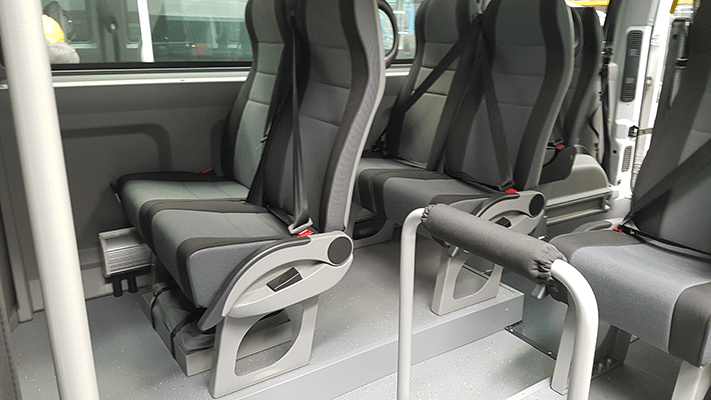
Commercial Vehicle Compliance (CVC) provides engineering assessment and VASS certification for seating, seatbelt, anchorage and seating-capacity modifications. We work with vans, buses, commercial vehicles, wheelchair-accessible vehicles and specialist conversions where seats are added, removed, relocated or changed.
Working on a wheelchair occupant restraint layout? CVC clients can also use Estraints, a separate specialist online WTORS calculator and training/resource platform for planning wheelchair tiedown and occupant-restraint layouts.
Changes to seating can affect ADR compliance, occupant protection, vehicle category, tare mass and load capacity. The required approval depends on the vehicle, seat type, anchorage arrangement and the standards applicable to the vehicle’s date of manufacture.

Planning a seating modification? Book an inspection or review the seating guide before work begins.

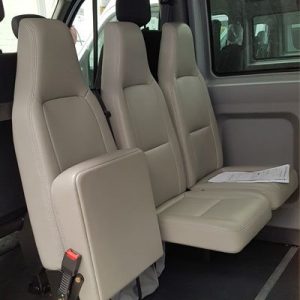
Seats and restraint systems form part of the vehicle’s occupant-protection system. Replacing, adding or relocating seating can affect airbags, seatbelt systems, anchorage loads, seating capacity and the vehicle’s ADR category.
Under current Victorian guidance, Category 1 seats must comply with the relevant Australian Design Rules applicable to the vehicle. Category 2 and Category 3 seats are assessed against the applicable requirements of Vehicle Standards Bulletin 5 (VSB 5). The exact requirements depend on the seat type, vehicle category, date of manufacture and installation arrangement.
Where seating changes alter the vehicle’s rated occupant capacity or ADR category, additional compliance requirements can apply. CVC can review the proposed layout before installation and identify the evidence, inspection and certification pathway required.
New vehicle or in-service seating modification?
A seating or category change before first supply to market may fall under Second Stage Manufacture. In-service vehicles follow the applicable modification-approval pathway. See our SSM and state modification approval guide.
Transport Victoria VSI 19 applies to vehicles up to 4.5 tonnes GVM, excluding motorcycles. Category 1 seats are adult seats; Categories 2 and 3 are child seats. Refer to the Commonwealth Vehicle Standards Bulletins for VSB 5 and to NHVR VSB6 for heavy-vehicle modifications. Seating changes can also affect the registered seating description and available payload.
Accreditation Partners


Changes to seating capacity can affect tare mass, load-carrying capacity and the vehicle’s ADR category. This is particularly important where a light bus is converted to a passenger vehicle, or where a goods-carrying vehicle gains enough seating to change how the vehicle is classified.
Seat structures, seatbelts, anchorages and any required child-restraint anchorages must satisfy the standards applicable to the particular vehicle and seating installation. The applicable ADR versions depend on the vehicle category and date of manufacture, so the assessment should be based on the actual vehicle rather than a generic seating rule.
CVC provides VASS engineering assessment for seating-capacity changes, additional seats, seat removals, seatbelt and anchorage modifications, and related wheelchair-accessible or bus seating work. Where possible, involve CVC before the interior is completed so mounting details and evidence can be checked while they remain accessible.